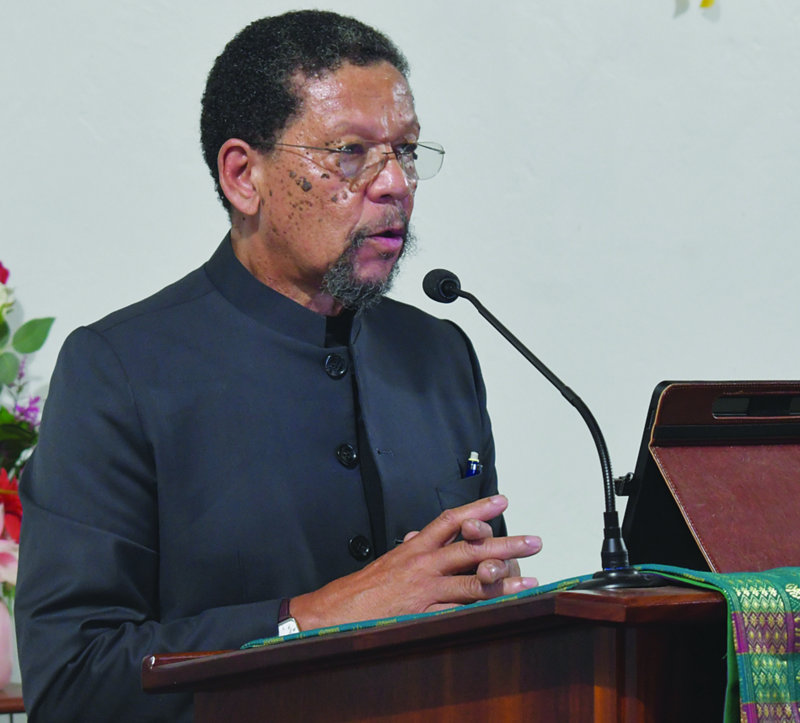
For nearly two centuries, the grounds of Ebenezer Methodist Chapel have witnessed some of Anguilla’s most defining moments. It was here that the island celebrated its first Emancipation Day after slavery was abolished across the British Empire in 1834. And on Tuesday, 21 July 2026, those same historic grounds once again became a place of reflection — not on freedom already won, but on whether Anguilla has yet to complete the journey towards it.
The 2026 Annual Emancipation Lecture, marking the tenth anniversary of the lecture series, was far more than another commemorative event. Under the theme, Self-Determination: The Final Stage of Emancipation, the evening invited Anguillians to wrestle with questions that are often discussed quietly, if at all. What does freedom really mean in 2026? Is economic comfort enough? And who should ultimately decide the island’s future?
Those questions were explored by internationally recognised governance expert Dr. Carlyle Corbin, whose decades of work with the United Nations and governments across the Caribbean have made him one of the region’s leading voices on constitutional development. Yet despite his international credentials, the lecture never felt detached from Anguilla. Instead, it continually circled back to the island’s own story and the choices still lying ahead.
 The argument that lingered longest after the lecture was that emancipation was not the finish line.
Dr. Corbin argued that while slavery ended, the political journey towards genuine self-government remains unfinished in many territories. He described colonialism as “a sequel to slavery,” suggesting that although people were legally freed, many continued living within systems where ultimate political authority rested elsewhere. It was a perspective that encouraged listeners to think about freedom as something far broader than a historical event remembered once a year.
Another of the lecture’s greatest contributions was challenging assumptions.
For many people, discussions about self-determination quickly become conversations about independence. Dr. Corbin urged the audience to think more carefully. Under international law, he explained, self-determination is not confined to a single destination. Independence, free association and integration all exist as recognised constitutional options, provided they are built on genuine political equality and the informed choice of a people. That distinction shifted the conversation from political slogans to public understanding.
Repeatedly, education emerged as the missing ingredient.
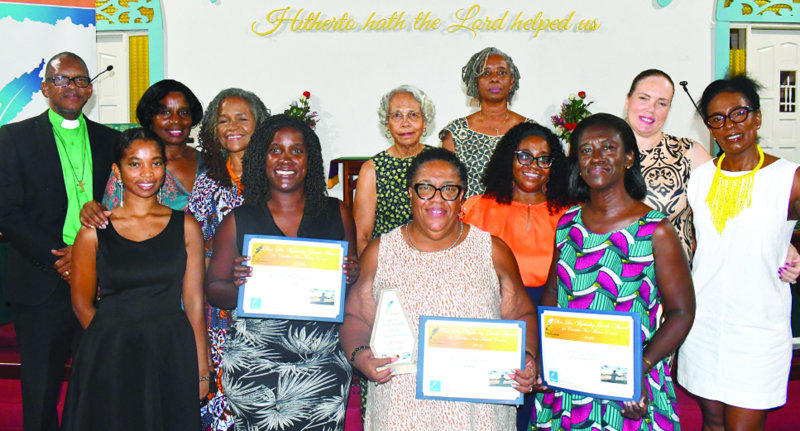
Malliouhana Poetry Committee
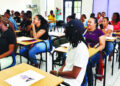
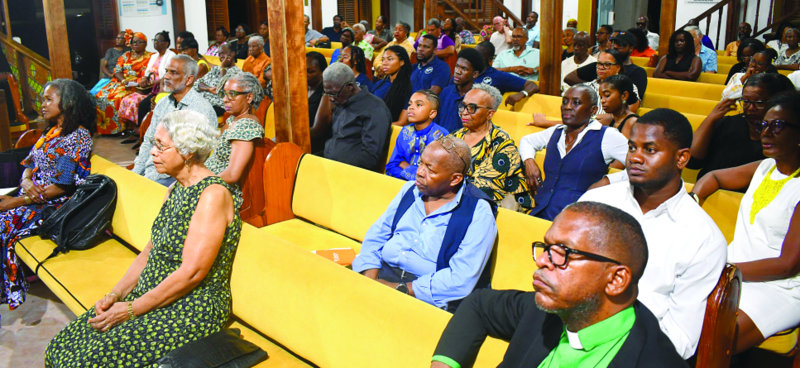
Several attendees echoed the view that meaningful constitutional decisions cannot be made if people do not fully understand the options before them. Economist Marcel Fahie argued that discussions about governance should extend well beyond annual lectures and become part of everyday learning through schools, libraries and public institutions. David Carty similarly questioned how could constitutional awareness become an ongoing national conversation rather than one revisited only during commemorative events?
The discussion also moved beyond constitutional theory and into everyday realities.
Neil Gumbs questioned whether the apparent economic success enjoyed by many Overseas Territories weakens arguments for greater political self-determination. Dr. Corbin acknowledged that such territories often perform well economically but suggested that prosperity alone should not be the only measure. The deeper question, he argued, is who ultimately controls economic policy and possesses the authority to shape a country’s long-term future.
That conversation naturally led to resources.
Dr. Corbin encouraged territories to look beyond the obvious sources of wealth, pointing to marine resources, shipping routes, fishing rights and airspace as assets whose value is often underestimated. Understanding what a country truly owns, he suggested, strengthens both public confidence and future constitutional negotiations.
Closer to home, tourism and land ownership also featured prominently. Questions were raised about balancing foreign investment with preserving local ownership and ensuring Anguillians continue benefiting from the island’s most valuable assets. While supporting investment, Dr. Corbin argued that successful partnerships should also create opportunities for local employment, management and long-term economic participation. He further encouraged greater diversification through sectors such as fisheries and agriculture to build resilience beyond tourism alone.
What made the evening particularly engaging was that no one appeared interested in prescribing a single solution. Instead, participants consistently returned to one idea: whatever path Anguilla eventually chooses, its people should understand it first.
That sentiment explains why the discussion often felt less like a lecture and more like an invitation.
As someone sitting among the audience, it was impossible not to notice that the most animated moments came not during prepared remarks but when listeners began challenging one another’s assumptions. Rather than producing neat conclusions, the conversation left many with even bigger questions — and perhaps that was precisely the point.
Chairperson Mrs. Rita Celestine-Carty captured that spirit, reminding attendees that the goal was never to provide immediate answers but to encourage continuing reflection. Among the questions she left hanging in the room was one that may linger long after the lecture ended: What will today’s generation leave behind that future Anguillians will thank them for?
The evening also celebrated the legacy that made these conversations possible. Dr. Phyllis Fleming-Banks reflected on the vision of the late Reverend Dr. Wycherley Gumbs, who believed emancipation should never become simply an annual observance but an ongoing responsibility shared across generations. Ten years after the lecture series began, that vision appears as relevant as ever.
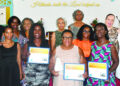
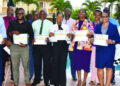
Adding to the night’s celebrations was the launch of the 2026 Reverend Dr. Wycherley Gumbs Award for Creative Non-Fiction under the theme “Freedom Still Calling.” The initiative continues to honour the renowned Anguillian minister, author and poet by encouraging creative reflections on freedom and its enduring relevance. Organisers also recognised this year’s award recipients, with Susan Hodge taking first place, followed by Kareen Rogers in second, Cassilda Thomas-Carty in third, Claudillia Senhouse, writing under the name Aaliyah Richardson, in fourth, and Sharlene I. Gumbs in fifth.
If the lecture achieved anything, it was reminding those gathered that emancipation is not only about remembering where Anguilla has come from. It is also about deciding, thoughtfully and together, where the island wishes to go next.
By Janissa Fleming