The sounds of heritage, memory and island pride filled the Anguilla Public Library on Wednesday, 6th May 2026, as the Malliouhana Poetry Competition returned with one of its most emotionally resonant themes yet — “Salt In De Blood”.
What unfolded over the course of the evening was far more than a competition. It became a vivid celebration of Anguillian identity, where poetry met performance, generations shared the same stage, and the island’s relationship with the sea rose to the forefront in moving, powerful and deeply personal ways.
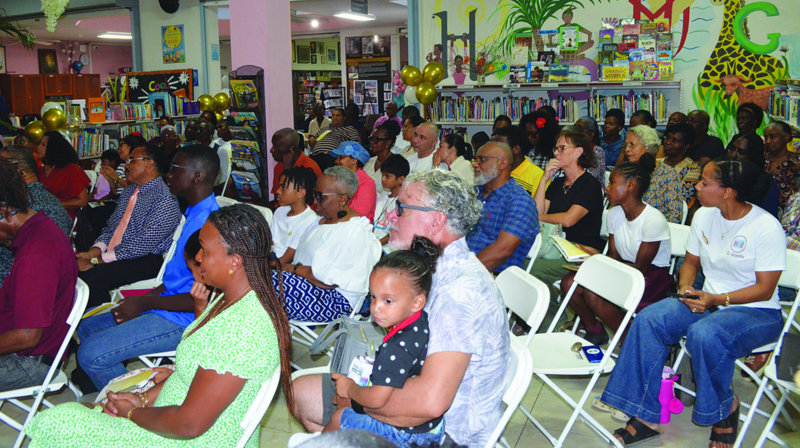
The event, chaired by Dr. Phyllis Fleming-Banks, drew an audience that included Her Excellency Governor Julia Crouch, Permanent Secretary Bonnie Richardson-Lake, educators, poets, cultural advocates and families eager to witness the island’s literary talent come alive.
 In her opening remarks, Dr. Fleming-Banks reflected on the journey of the Malliouhana Poetry Competition since its launch in 2007, noting that its mission has always been rooted in literacy, artistic expression and social, cultural and political awareness.
Over nearly two decades, the competition has received more than 900 submissions from poets across all age groups, with many participants later going on to publish their own work.
This year’s theme, however, struck a particularly deep chord.
 A total of 82 entries were submitted this year, including 66 “Poetry on the Page” pieces and 16 spoken word performances. Particularly notable was the strong participation from Anguilla’s youth, with teenagers accounting for the largest number of submissions.
As the spoken word segment began, it quickly became clear why the theme resonated so strongly. The performances carried the rhythm of waves, the strain of migration, the energy of Summer Festival, the danger of the sea and the fierce pride of belonging to a small island shaped by resilience.
The junior performers brought warmth, humour and striking confidence to the stage.
Nevaiya Simpson’s winning performance, “Up De Road”, painted a lively and affectionate portrait of village life through scenes familiar to many Anguillians — children heading to school, basketball games in the yard, music drifting through neighbourhoods and the everyday personalities that define community life. Delivered with charm and natural storytelling ability, the poem transformed ordinary moments into treasured snapshots of home.
Arudra Bharrat’s “Anguilla Boat Racing: From Survival to Summer Festival” offered a spirited tribute to one of the island’s most beloved traditions. The performance traced the evolution of boat racing from a means of survival after the decline of the sugar industry into the centrepiece of national celebration. Rich with imagery of sails cutting through rough waters, daring manoeuvres and cheering crowds following races by land and sea, the poem captured both the danger and exhilaration of the sport.
Timyia Carter’s “Salty Summer” brought colour and festivity to the evening, celebrating the joy of Anguilla’s carnival season through images of dancing, flags, sunshine and togetherness. Beneath its celebratory tone was a deeper message — that cultural identity is rooted not only in place, but in shared experiences and traditions passed from one generation to the next.
The teen category elevated the emotional intensity of the evening.
Uniqua Romney-Dupigny’s winning piece, “My Blood”, delivered one of the night’s most commanding performances. Through references to ancestry, migration, hurricanes and endurance, the poem explored “salt in de blood” as both inherited pain and inherited strength. Her delivery moved seamlessly between tenderness and defiance, presenting identity as something impossible to erase, regardless of distance or hardship.
Sakura Davis, who placed second with “Shaped By Salt”, reflected on growing up beside the sea and learning life lessons through its rhythms. Boat racing became a metaphor for discipline, teamwork and perseverance, while the ocean itself emerged as a silent teacher shaping character and values.
Cattleya Charles’ “A Sanctuary Beneath the Pulse” took on an almost spiritual tone, portraying the sea as something living within the body itself — ancient, constant and essential to survival. The performance carried a quiet intensity that lingered long after the applause faded.
The adult category delivered some of the evening’s most layered and emotionally charged performances.
Rosanna Browne claimed first place with “Tide Talk”, a stirring reflection on Anguilla’s maritime history and collective memory. Her poem honoured the fishermen who ventured out to sea, the women who waited anxiously on shore, and the generations shaped by hardship, migration and survival. Through repeated calls to remember, Browne transformed the sea into both witness and storyteller, reminding listeners that “salt in de blood” contains loss as much as pride.
Sharleen Gumbs’ nostalgic “Chiren Uh De 70s” drew warm laughter and reminiscing from the audience as it revisited the discipline, church-going routines, outdoor games and strong community values of 1970s Anguilla. The poem celebrated a generation raised with modest means but enduring resilience.
Cassilda Thomas-Brookes’ “Born of the Sea”, dedicated to the Fabian brothers of Island Harbour, honoured the fishermen whose lives are inseparable from the ocean. The performance portrayed the sea as both livelihood and danger, paying tribute to quiet acts of bravery carried out far from public recognition.
Additional performances in the adults category by Jonisha Johnson, Nashaine Johnson, James Harrigan and Joseph Ivor Hodge further expanded the evening’s exploration of identity, survival, faith and community. Their poems moved between humour, social commentary, spiritual reflection and historical remembrance, collectively forming a mosaic of Anguillian life.
Yet one of the evening’s most moving moments came not through competition, but through tribute.
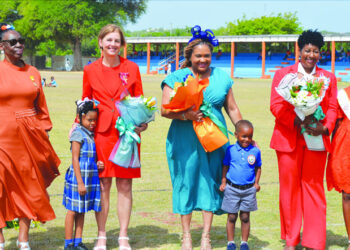
This year’s Culture Bearer honour was presented to Edwin “Ed” Carty of Sandy Ground — fisherman, boat racing pioneer and cultural stalwart — whose life was described as the embodiment of the theme “Salt In De Blood”.
Mr. David Carty reflected on the deep connection between the sea and Anguillian identity, describing Edwin Carty as a man forged by maritime tradition, leadership and courage.
He recounted the influence of Ed’s father, William Elliot Carty, remembered as a legendary sailor and builder of the famous racing boat ‘Wins All’. Stories of schooners, daring races and hard-earned respect brought a wave of nostalgia across the room, especially among those who remembered the golden era of Anguilla’s boat racing culture.
But beyond racing victories and maritime accomplishments, Edwin Carty was honoured for the values he carried — leadership, discipline, faith, commitment to family and dedication to preserving cultural traditions.
Permanent Secretary Dr. Bonnie Richardson-Lake underscored that point during her remarks, describing Carty as “the very spirit of this year’s theme”.
“Culture is not only preserved in books or museums,” she said. “It’s preserved in people.”
She also reflected on the meaning of the sea to Anguillians, describing it as provider, teacher, test of courage and source of identity.
“The salt in our blood is the memory of fishermen at dawn, it’s the rhythm of boat racing, it’s the courage of our ancestors,” she stated. “It’s the taste of home.”
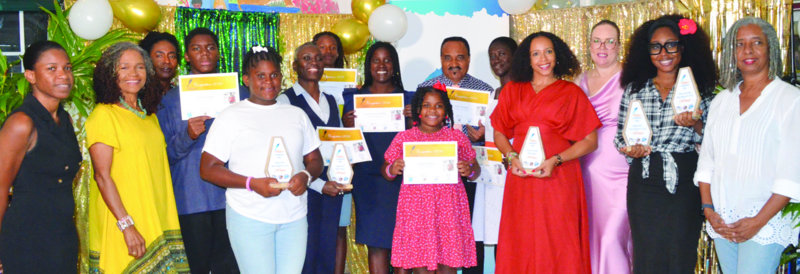
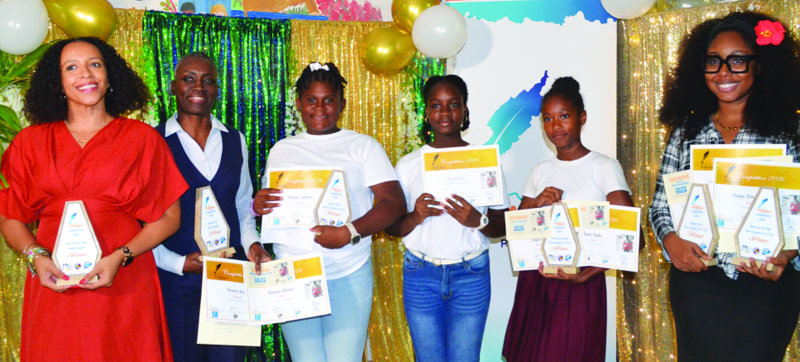
At the close of the evening, certificates of participation were presented to all competitors before winners across both categories received plaques, cash prizes, dining vouchers and hotel stays sponsored by local businesses and partners.
Alongside the aforementioned winners of the Performance Round were Timyia Carter, Uniqua Romney-Dupigny and Vanessa Croft, who won in the Junior, Teen and Adult categories of the Poetry on the Page segment respectively.
As the audience filtered out of the library at the close of the evening, the atmosphere remained steeped in reflection and pride. For one night, poetry became more than performance; it became memory, tribute and a living testimony to “Salt In De Blood”.
By Janissa Fleming