 Anguilla Day was observed on 30th May 2026 and schools across the island did their part to ensure that the nation’s history was not simply remembered, but experienced by the generation that will one day inherit it.
In the lead-up to the national celebrations, a number of schools hosted Culture and Heritage Fairs designed to immerse students in Anguilla’s past, offering a glimpse into the lifestyles, traditions and sacrifices that helped shape the island into the nation it is today. More than colourful displays and traditional foods, the events served as an important reminder that a country’s future is strongest when its young people understand the journey that brought them there.
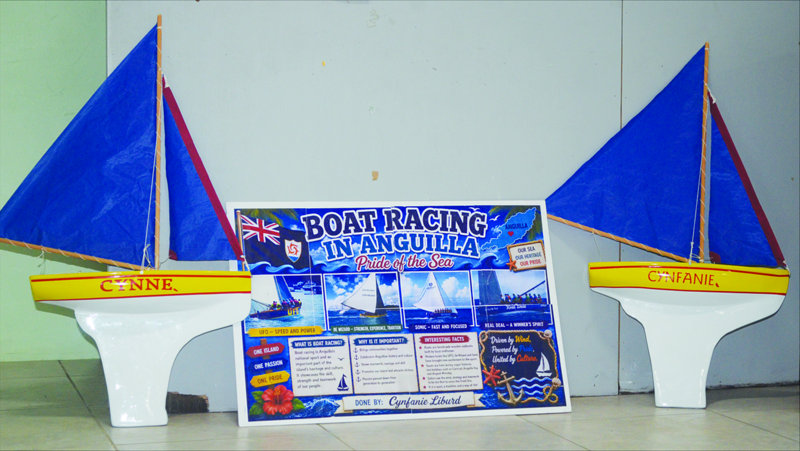 Among the schools were Albena Lake-Hodge Comprehensive School, Adrian T. Hazell Primary School and Morris Vanterpool Primary School, each highlighting different aspects of Anguillian culture, history and identity. Through exhibitions, demonstrations, performances and quizzes, students were encouraged to connect with a way of life that many know only through stories told by parents and grandparents.
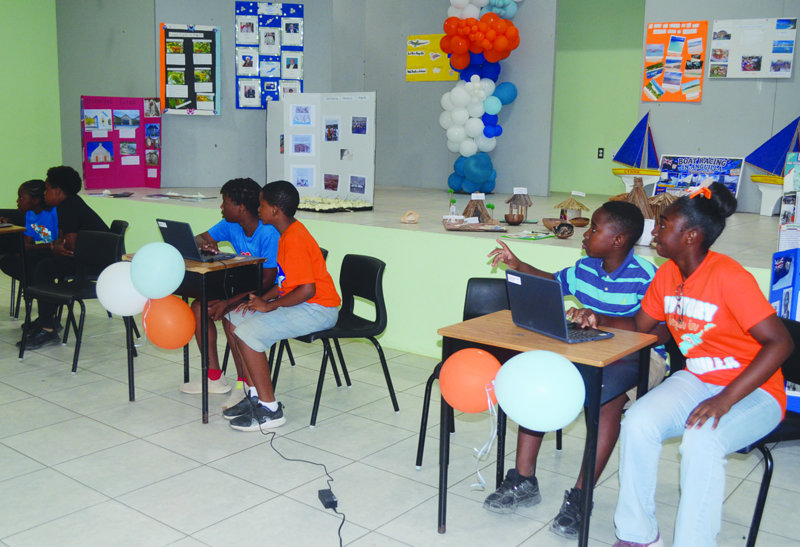
The Anguillian had the opportunity to observe part of the celebrations at Morris Vanterpool Primary School, where classrooms and displays were transformed into a living tribute to Anguilla’s heritage. One of the centrepieces of the event was a mini museum featuring objects that once formed part of everyday life on the island but have largely disappeared from modern households.
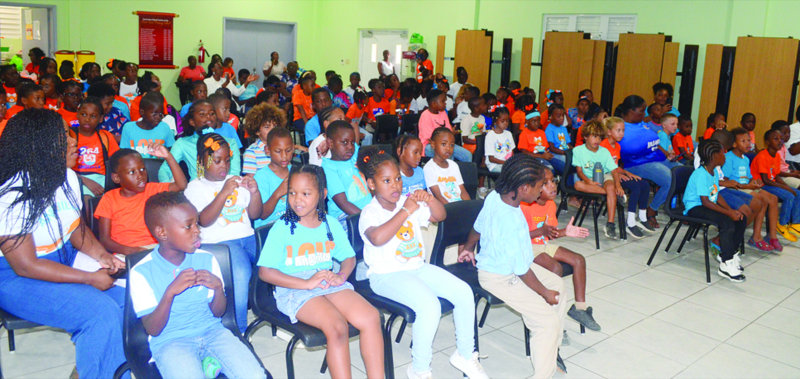 Students explored collections of rotary telephones, kerosene lamps, washboards and basins, thatch brooms, hot combs, old pots and pans, fish pot shoes, mill grinders and traditional bicycles with old-style metal frames. There were also displays of nickers — the hard round seeds once used by children as toys before the age of smartphones, tablets and video games.
For many of the students, these artefacts represented what seemed like a whole new world vastly different from the one they know today. Yet that contrast was precisely the point. The exhibition highlighted how dramatically life has changed within a relatively short period of time and underscored the resilience, creativity and resourcefulness of previous generations who built lives and communities with far fewer conveniences than exist today.
 Equally significant was the museum’s tribute to notable Anguillians whose contributions have left a lasting mark on the island. Students learned about figures from across politics, education, community development and sports, including James Ronald Webster, Sir Emile Gumbs, Doreen Duncan, Daisy ‘Wong’ Richardson and Albena Lake-Hodge. The displays also recognised contemporary achievers whose accomplishments continue to inspire younger generations, including Dee-Ann Kentish-Rogers, Zharnel Hughes, Shara Proctor, Jahmar Hamilton and Trevor “Ras Bucket” Davis.
By placing historical pioneers alongside modern role models, the exhibition drew a clear connection between Anguilla’s past and present, showing students that the island’s story is still being written by individuals who dare to dream, serve and excel.
The learning extended well beyond displays. Students participated in their own Anguilla History Quiz that tested their knowledge of the island’s heritage and played classic games, while traditionally made foods offered another opportunity to experience the culture first-hand. Visitors were treated to freshly prepared johnny cakes and chicken cooked on coal-filled drums, alongside pigtail and pea soup — dishes that have long been staples of Anguillian cuisine.
Demonstrations showing how the food was prepared gave students a deeper appreciation for traditional cooking methods, many of which have been gradually replaced by modern appliances and conveniences.
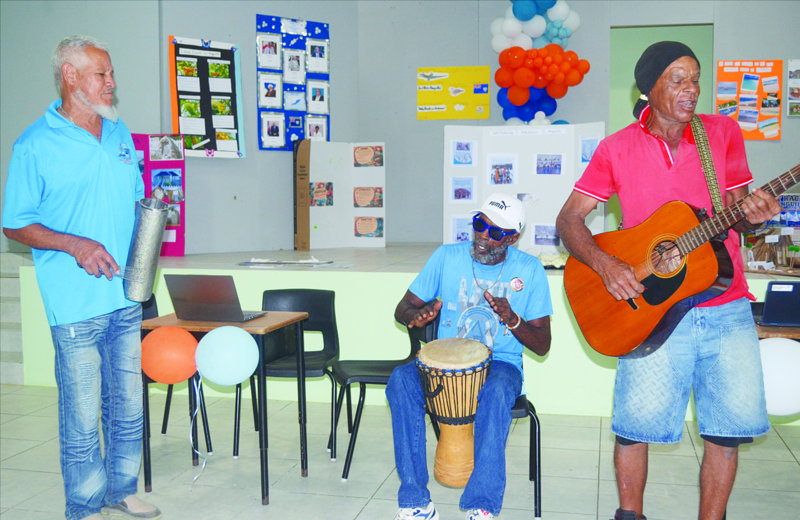
The sounds of Anguillian culture were also impossible to miss. Students enthusiastically sang along to string band renditions of beloved local songs, including We’re Out to Build a New Anguilla and Anguilla’s adaptation of This Land Is My Land. The performances reinforced the role music has played in preserving the island’s identity and collective memory.
Similar cultural activities, displays and traditional dishes were featured at other schools participating in the pre-Anguilla Day celebrations, creating opportunities for young people across the island to engage with their heritage in meaningful and memorable ways.
At a time when global influences increasingly shape the interests and experiences of young people, events such as these serve an important purpose. They remind students that the freedoms, opportunities and quality of life enjoyed today did not come by chance. They were built through the struggles, sacrifices and determination of those who came before.
It is easy to take modern life for granted. The roads we travel, the schools we attend, the technology we use and the rights we enjoy are all part of a story that go back generations. If that story is not passed on, valuable lessons and connections risk being lost.
The Culture and Heritage Fairs held across Anguilla – and Anguilla Day itself – demonstrated that preserving history is not solely the responsibility of museums, historians or elders. It is a responsibility shared by the entire community. By teaching children about the island’s traditions, achievements and revolutionary figures, schools are helping to ensure that Anguilla’s heritage remains alive long after the celebrations have ended.
By Janissa Fleming.