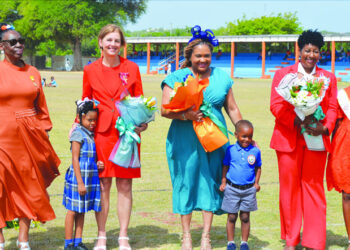
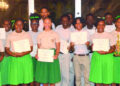
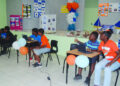
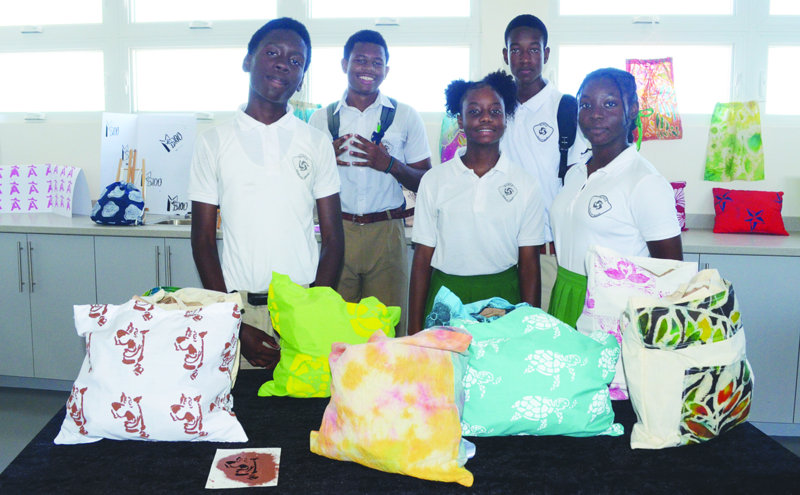
 On Wednesday, 29th April 2026, the Art Room at the Albena Lake-Hodge Comprehensive School (ALHCS) Quarter Campus shed its familiar identity as a classroom and quietly transformed into something far more ambitious. Walls once lined with reference charts and works-in-progress became a gallery of colour, texture and story. “Imagination Unfiltered”, presented by the ALHCS Visual Arts Department and curated by Canita Ruan, did more than display student artwork. It opened a window into the creative minds of Anguilla’s emerging young artists at a pivotal stage in their lives.
The exhibition centred on Form 3 students — an age group often caught between childhood expression and serious academic decision-making. For many, this is the year subjects are weighed carefully, passions are questioned, and futures begin to take shape. By placing their work in a public setting, the showcase made a clear that creativity is not an extracurricular afterthought. It is a discipline, a skill, and potentially, a calling.
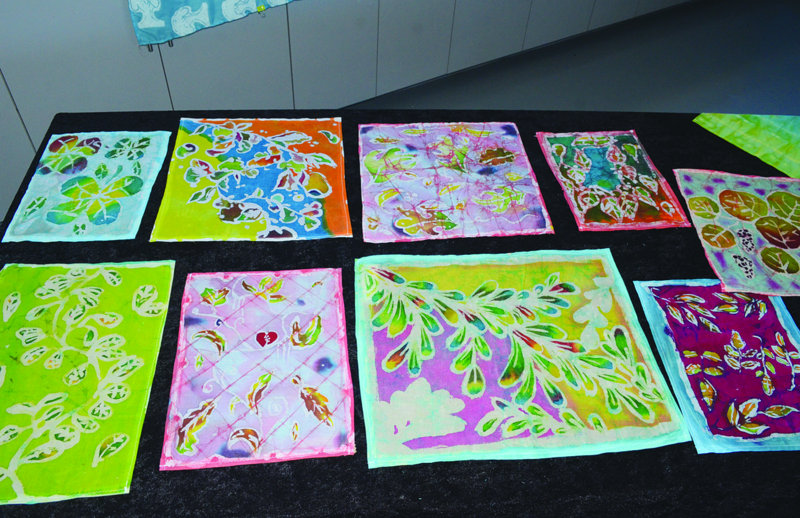 The title, “Imagination Unfiltered”, was deliberate. These were not pieces produced solely to satisfy examination criteria or polished into safe conformity. Instead, they revealed raw experimentation and bold personal choices. Visitors stepping into the room encountered textile pieces that pulsed with colour and cultural resonance — fabric transformed into storytelling surfaces through batik, stencil work and printmaking.
Textile design served as the exhibition’s foundation, pushing students beyond sketchbooks and into tactile creation. Batik techniques involving wax-resist dyeing allowed them to explore how colour seeps, resists and reveals. Designs did not remain theoretical; they evolved into tangible objects — table mats, decorative pillows and wall hangings — bridging the gap between art and function. In a Caribbean society where craft, Carnival, fashion and interior design intersect so vividly, the relevance was unmistakable.
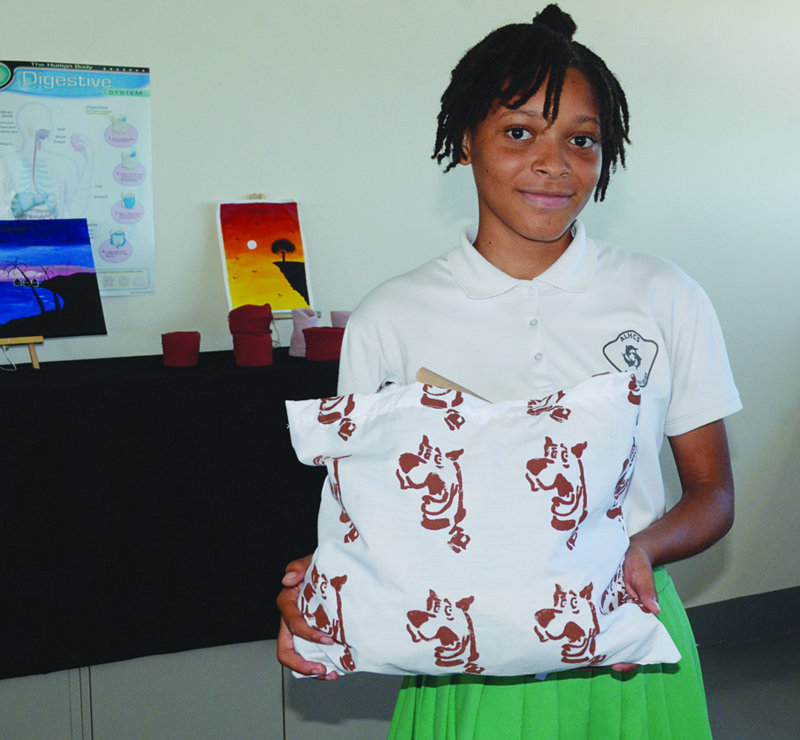 Stencil work introduced another layer of discipline and invention. Students conceptualised and cut their own stencils before transferring repeating motifs onto fabric, experimenting with symmetry and layering. Meanwhile, linoleum carving demanded patience and precision. Etching designs into linoleum blocks, inking them carefully and pressing them onto fabric and paper required technical control.
For Ms. Canita Ruan, the exhibition was never intended to be a routine school display. Created as part of her degree practicum, it was designed to fill a gap she recognised within the school experience. Many students, she observed, rarely have opportunities to present their work publicly unless they actively seek them out. “Imagination Unfiltered” changed that dynamic by creating an accessible, supportive platform where their efforts were not only seen but validated.
Form 3 is a transitional year, and by showcasing work at this stage, students are invited to see their abilities differently. The confidence that comes from seeing one’s art displayed can shift how a young person views their own potential. Already, several students have expressed interest in continuing art at the CSEC level.
Yet the decision to pursue art is rarely straightforward. Persistent misconceptions that art offers limited career prospects or lacks stability still linger. But in a region where Carnival costume design, cultural festivals and creative entrepreneurship are woven into the social fabric, the possibilities are closer to home than many realise.
Ruan’s own journey reinforces that broader vision. Now having completed her fourth and final year as an art student at Valdosta State University in Georgia, United States, she is set to graduate on 9th May 2026. Her exposure to disciplines including metalwork, woodwork, screen printing, photography and life drawing has expanded her understanding of art’s scope. That breadth now informs her teaching philosophy in Anguilla — one rooted in exploration rather than limitation.
Teaching, in her view, extends beyond technique. It involves dismantling self-doubt and reshaping perceptions about what is possible. Students are encouraged not to see art as something to abandon once examinations conclude, but as a skill to refine and carry forward.
These Form 3 students are part of a generation growing up in a rapidly evolving cultural and economic landscape. Creative industries — from digital design to fashion and event production — are expanding globally. If nurtured intentionally, local talent can participate meaningfully in that growth. By investing in young artists at this formative stage, the ALHCS Visual Arts Department is not simply hosting an exhibition. It is shaping confidence, broadening horizons, and planting seeds for a more creatively empowered Anguilla.
By Janissa Fleming