 In a landmark moment for cultural development in Anguilla, the Honourable Minister for Social Development, Education, Youth & Culture, Probation and Library Services Mrs. Shellya Rogers-Webster, officially laid before the House of Assembly the first Business Plan of the Anguilla Festivals Development Commission (AFDC), in accordance with Sections 21 and 26(4) of the Festivals Development Commission Act 2025.
Described as a transformative roadmap rather than a routine procedural exercise, the five-year strategic plan (2026–2030) signals a major shift in how festivals are viewed, managed, and monetized in Anguilla, positioning culture not simply as a public service but as a sustainable economic pillar. “This business plan moves the Commission from concept to execution,” the Minister stated. “It establishes a modern, structured and accountable system that positions festivals as engines of economic development while preserving the cultural soul that defines Anguilla.”
The business plan outlines the Commission’s dual cultural and commercial mandate, positioning the AFDC as:
• A Regulator — setting standards and licensing festivals across Anguilla

• A Commercial Enterprise — generating revenue and managing assets
• A Cultural Authority — preserving and promoting Anguillian heritage and identity
Strategic Priorities for 2026–2030
The plan identifies four national priorities designed to elevate festivals into a pillar of national Development:
• Economic Growth: Targeting more than $15 million in business spend over five years through festival-driven tourism and job creation.
• Regulatory Development: Introducing a National Festivals Licensing System to improve quality, coordination and accountability.
• Cultural Preservation: Embedding heritage, education and identity into all festivals.
• Revenue Diversification: Expanding beyond government subventions through ticketing, sponsorships, merchandising, licensing and intellectual property.
From Public Service to Business Model
A defining feature of the plan is its clear shift from a traditional public service approach toward a business model for culture.
Under this model, festivals are positioned to:
• Generate independent revenue and attract investment
• Create jobs and support creatives and vendors
• Operate through year-round strategic planning
• Strengthen accountability and performance measurement
• Reduce long-term dependence on government funding
Financial projections outlined in the plan show revenues growing from $2.5 million annually to $4.3 million by year five, with a path toward operating surpluses and increased sustainability.
“This shift is not optional, it is necessary if Anguilla is to compete globally,” the Minister noted, emphasizing that festivals must be viewed as investments with measurable returns.
Key Operational Focus
The Commission’s work will focus on:
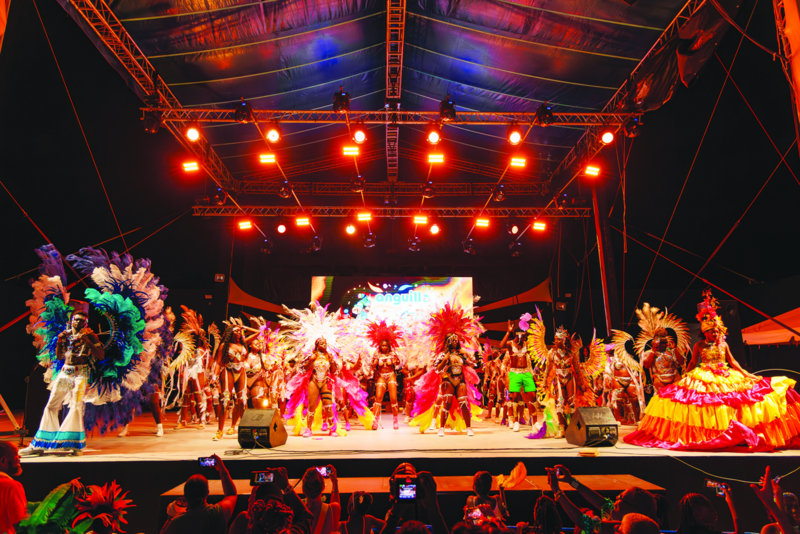
• Development and execution of festivals, including the Anguilla Summer Festival
• Licensing and regulation of festivals island-wide
• Management of the Landsome Bowl Cultural Centre as a revenue-generating national asset
• Commercial activities including sponsorship, merchandising and broadcast rights
The business plan also includes measurable performance indicators related to festival attendance, revenue growth, sponsorship value, licensed events, and annual reporting to Parliament, reinforcing transparency and accountability.
Managing Growth Responsibly
Recognizing potential challenges including weather disruptions, market competition and financial dependency, the plan includes mitigation strategies centered on diversified revenue streams, strong governance, licensing enforcement, insurance and structured planning.
The Minister described the plan as “a responsible and realistic framework, not an aspirational document.”
A Collaborative Milestone
The Minister used the opportunity to recognize those who contributed to the Commission’s Establishment and the development of the business plan.
A New Era for Festivals in Anguilla
With the Commission active for the past four months and foundational systems now taking shape, the tabling of this business plan marks the formal beginning of a new era for cultural development in Anguilla.
By adopting a structured, accountable and growth-oriented framework, the Government is positioning festivals not simply as celebrations, but as powerful instruments of national identity, economic opportunity and global competitiveness.
“The future of festivals in Anguilla must be built on a business model structured, accountable and growth-oriented with the support of government, while preserving the cultural soul that defines us.”