
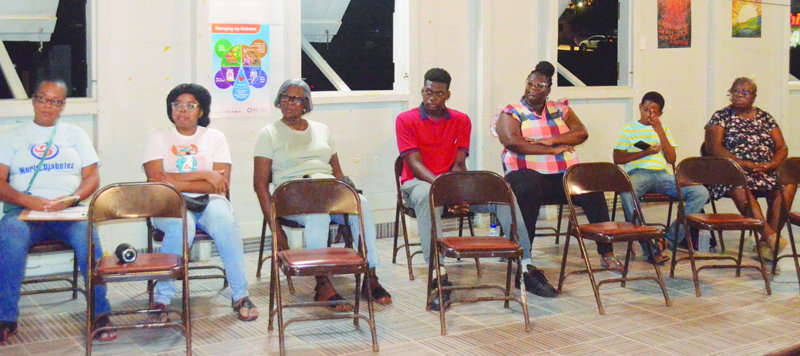
Anguillians of all ages gathered at the Old Valley Boys School on Wednesday, 12th November 2025 for Testimonial Night — an intimate, heartfelt evening of stories and reflection hosted by the Anguilla Diabetes Association. The event formed part of a week of activities held from 8th–15th November in recognition of Diabetes Awareness Week, under the global theme “Diabetes and Wellbeing: Focus on Diabetes in the Workplace”.
The night’s purpose was simple yet profound — to bring people together to share real experiences of living with diabetes, to educate, and to remind the community that no one faces the condition alone.
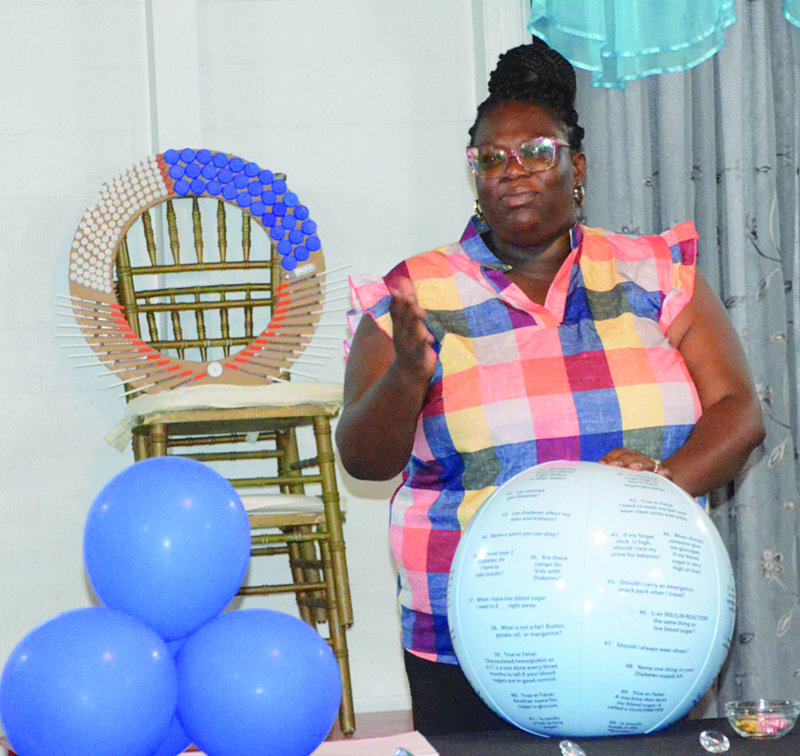
Opening the evening, Ellenita Harrigan of the Anguilla Diabetes Association reminded attendees that diabetes remains one of the world’s most pervasive chronic illnesses. “Over 514 million people have been diagnosed with diabetes,” she said. “And most of these people are in the workforce.” Harrigan spoke passionately about the social stigma that too often surrounds the condition. “Diabetes seems to be a societal disease — people don’t like it and are hesitant to share that they have it,” she said. “But these gatherings help us realise we are not alone.”
She explained that the Association’s annual week of activities is designed to build awareness, offer knowledge, and strengthen community support. “Sometimes you think you are suffering on your own until you hear someone else say they are having the same problems — managing their sugar, struggling with diet, feeling frustrated by test results. Coming together helps us to share, to support one another, and to learn.”
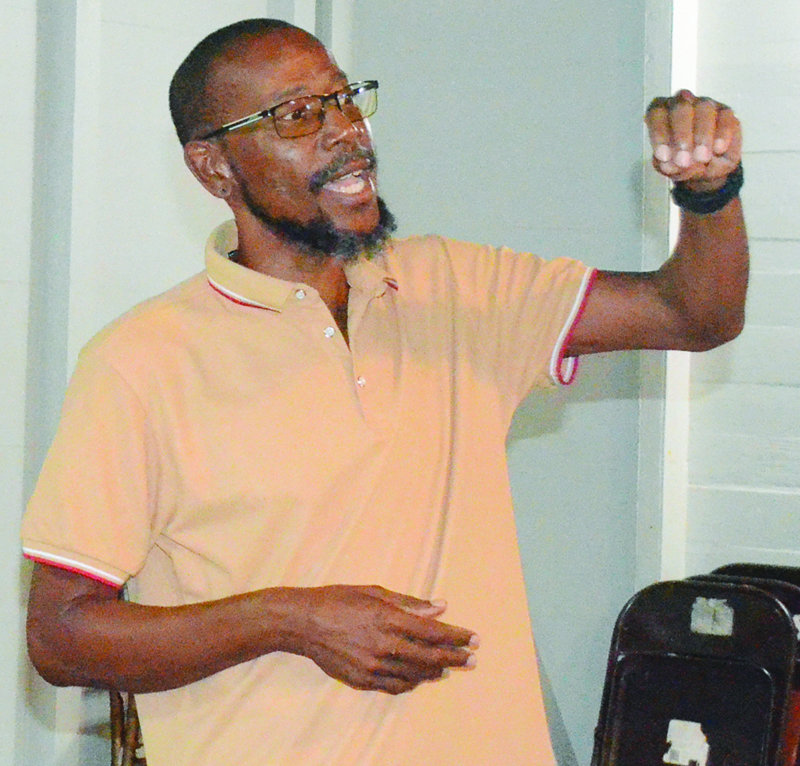
 Among the evening’s most moving stories was that of Mario Bryan, who has lived with diabetes for twenty-five years. His journey, however, took a sharp turn after a near-fatal heart attack in 2020. “I used to be careless with my blood sugar,” he admitted. “I’d eat anything and say, ‘You gotta die some way, somehow.’ But after that heart attack, it really opened my eyes.”
The experience transformed his relationship with food, health, and discipline. “I learned what raises my sugar and what doesn’t,” he explained. His approach now is one of careful balance, sharing how he has made fruit, fish, and fresh vegetables the core of his diet. Exercise is also non-negotiable. “
The results have been remarkable. “My HbA1C was 13.5 when I had my heart attack. It’s now 6.8,” Bryan said proudly. He credits his progress to self-discipline and intermittent fasting — eating only between 1 p.m. and 7 p.m. — and no longer requires insulin.
Yet, he was quick to acknowledge that emotional well-being plays an equally vital role. “Rest is very important and stress also affects your sugar. You have to take care of your mind too.”
 Dr. Robyn Perkins-Kentish commended Bryan’s discipline but reminded attendees that not all diabetics can safely adopt the same routine. “I would advise that you consult your doctor before,” she said firmly. “Medicine is not a cookie-cutter thing.” She warned that certain medications — especially long-acting insulin — can make fasting dangerous if doses are not adjusted. “You can end up collapsing,” she said. “I’ve had patients who died in their sleep because they adjusted their diet but not their medication. You have to do it safely.”
Bryan, a taxi driver by trade, also spoke about managing his condition on the job. He keeps snacks such as nuts and biscuits within reach and has trained his family and colleagues to recognise the signs of high and low blood sugar. “When lunchtime hits, the first thing my coworkers say is, ‘Yo, time for you to eat,’” he said with a smile. “It’s important that people around you know what to do.”
He encouraged others to be open about their condition. “You’re not asking for pity — you’re protecting yourself,” he said.
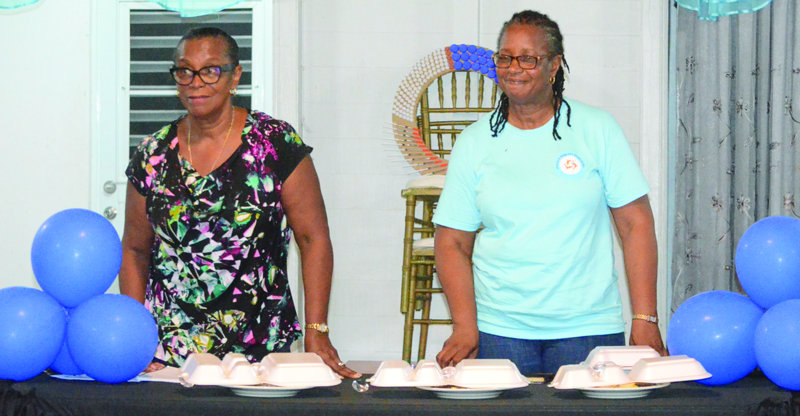
To reinforce healthy eating habits, participants took part in a “food plate” exercise led by Nurse Dana Ruan. Three individuals displayed plates showing what they typically eat in a day — some healthier than others. Using these examples, Ruan demonstrated the ideal balance: “Your meal should be a quarter starch, a quarter protein, and half vegetables.”
She cautioned against “starchy vegetables” such as pumpkin and carrots being mistaken for greens, and warned that sugary condiments like ketchup and barbecue sauce can quietly sabotage healthy eating. “You can eat out,” she said, “but it’s what you select. Eat the broccoli, for example — but don’t put cream and cheese all over it.”
The night’s emotional depth continued with the testimony of Sherri-Ann Roberts, who had to manage her diabetes while pregnant. “I thought once I had the baby, I wouldn’t have to take insulin anymore,” she recalled. But her baby was born prematurely with dangerously high blood sugar and required a transfusion to survive.
A year later, Roberts’ own symptoms returned. Her blood sugar was 306 when she finally sought help.
Over the years, Roberts – like Mario – has learned that stress, lack of sleep, and poor mental health can wreak havoc on blood sugar. “Stress is a dangerous thing,” she said. “Rest is very important. Your mental health is very important. Going to the beach, relaxing — we need to do more of that.”
She urged listeners to pay attention to their bodies and not delay care. “If your toe is hurting, even if you don’t think you’re diabetic, go to the clinic. Don’t wait until it’s too late.”
Nurse Ruan echoed that every diabetic’s experience is unique. “One thing about diabetes — it teaches you about your body,” she said. “You learn what you react to and how you respond to food.” If sugar levels rise, she advised simple steps: drink half a litre of water, wait an hour, and check again. But if symptoms worsen — such as vomiting or fatigue — “you need to go to the hospital,” she stressed.
Dr. Perkins-Kentish also offered practical, long-term advice: regular check-ups, consistent monitoring, and attention to eye and foot care. “Don’t neglect your feet,” she warned. “The smallest of things cause amputations if they’re not addressed quickly.”
She urged patients not to self-adjust medication. “You cannot just go to the pharmacy and collect your meds if you have not seen a doctor recently,” she said. Comparing the human body to a car, she noted, “You check your brake pads, but we never got any check engine lights.”
In closing, Dr. Perkins-Kentish reflected on the shared journey of living with diabetes — one that extends beyond medicine. “Your struggle is not just yours so you don’t have to face it alone,” she said. “You may fall off, but you just got to get back on track.”
As the evening drew to a close, the message was clear: diabetes is not just a condition, but a community challenge that requires awareness, compassion, and constant effort.