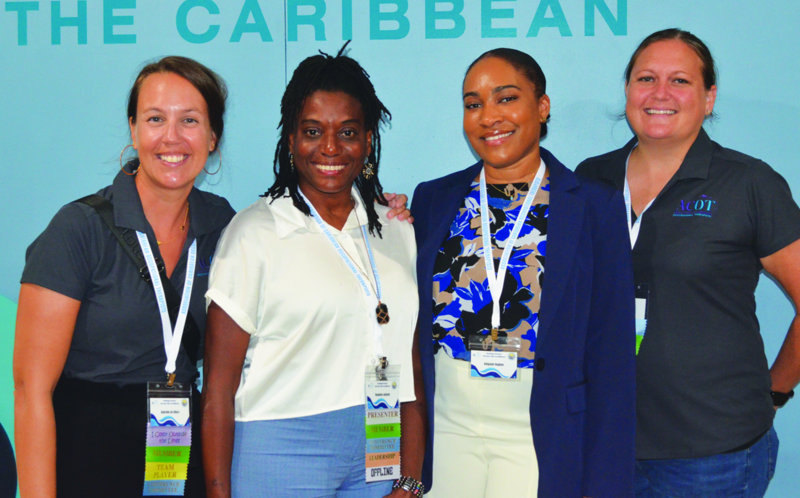
Anguilla made waves of its own as the island played host to the 16th Biennial Scientific Conference of the Association of Caribbean Occupational Therapists (ACOT) on Thursday, 23rd October, at La Vue. Under the theme “Making Waves Across the Caribbean,” the two-day event, continuing through to 25th October, united therapists, health professionals, and educators from across the region in a shared mission to celebrate their achievements, exchange knowledge, and advance the field of occupational therapy.
Also in attendance were several members of Anguilla’s government, including Hon. Ministers Shellya Rogers-Webster, Cardigan Connor, Jose Vanterpool; Parliamentary Secretary Cordell Richardson; and Ministerial Assistant Jeison Bryan.
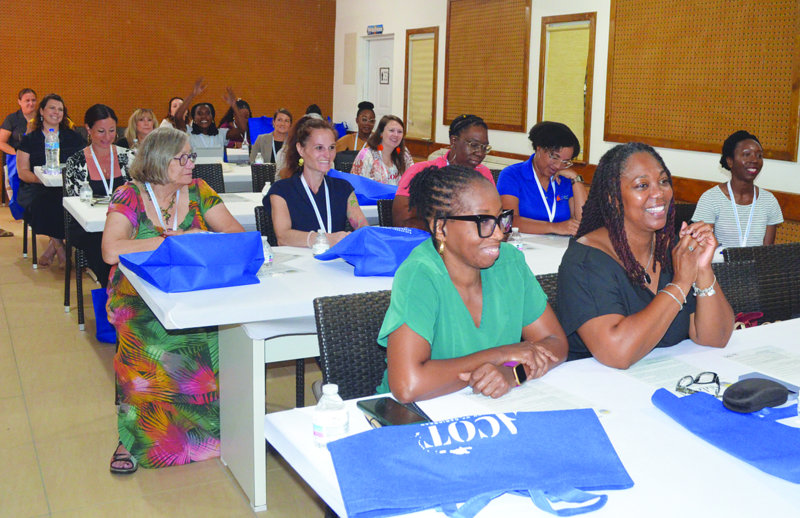 The conference, which is hosted biennially in different Caribbean nations, aims to break down professional isolation among occupational therapists in the region — a challenge that has long hindered collaboration and innovation in smaller island states. By fostering dialogue, sharing evidence-based practices, and creating a network of support, ACOT continues to nurture a sense of unity across Caribbean borders.
Dr. Douglene Jackson of the United States opened the conference with heartfelt remarks, setting the tone for a gathering built on gratitude and renewed purpose. “This is our first time being together in person,” she said, “and we’re grateful to have each and every one of you joining us.”
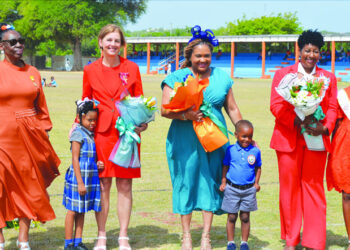
Minister Rogers-Webster, speaking on behalf of the Government of Anguilla, echoed those sentiments in her welcome, calling the conference both “inspiring and empowering.” She reminded attendees of the importance of their work and its far-reaching impact across the region. “All occupational therapists, students and professionals who continue to make waves in this community and across the Caribbean — we thank you for your commitment to advancing this profession,” she said. The Minister also took a moment to commend Anguilla’s own Dr. Kniquiah Hughes, whose leadership and dedication made the event possible.
Dr. Hughes’ fingerprints were, indeed, everywhere — from the conference’s planning to its execution. In her remarks, she reflected on the collective resilience of the profession, particularly after years of pandemic-induced isolation. “Let’s celebrate with our theme being Making Waves Across the Caribbean,” she said. “These waves are powerful, and they’re only just beginning.”
Her words carried both symbolism and sincerity, resonating with a room full of professionals who have weathered literal and metaphorical storms. “We’ve navigated choppy waters,” she continued, “but we’ve come up stronger, more united, and more determined than ever to make a difference.”
The keynote address, delivered by Mr. Delano Mussington, Director of the Department of Sports, brought the message of occupational therapy’s importance into deeply personal focus. In recounting his own recovery from a life-altering car accident, he reminded attendees of the profound human side of their work. During his recovery, he understood the importance of occupational therapists. His reflections were moving and sobering, reminding those in attendance that their work restores not just physical function but dignity and independence. “We take mobility for granted. And though it may take some time, knowing that you can still get it done gives you a sense of purpose,” Mussington said. “It gives you a sense of inclusion.”
Throughout the day, attendees engaged in presentations and workshops on a wide range of topics reflecting both innovation and adaptability within the profession. Discussions explored everything from “Making Waves with Artificial Intelligence: Practical Applications for Occupational Therapy” to “Accessing Graduate Education in Rehabilitation in Haiti in a Context of Socio-Political Instability.” Other sessions delved into autism care, virtual sensory integration, and the lived experiences of parents navigating special needs education in Jamaica.
These sessions underscored that the Caribbean, despite its small size and limited resources, continues to think big and act boldly in the field of occupational therapy. The introduction of AI, hybrid models of care, and culturally grounded practices suggests a future that blends modern technology with regional realities — a fitting embodiment of “making waves.”
As the day drew to a close, one could sense the quiet pride among participants — not only in their professional growth but in being part of something larger than themselves. Dr. Hughes summed it up best: “This isn’t just about discussions and presentations. It’s about us — the people, the community, the family of Caribbean occupational therapists — standing together, sharing stories of resilience, victories, and growth.”