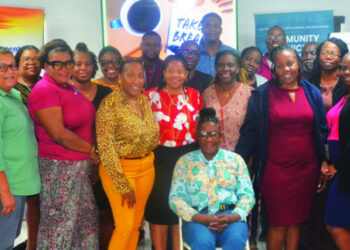
The Ministry of Health, Sports, and Tourism, in collaboration with the Eastern Caribbean Central Bank (ECCB), recently held a significant consultation on the future of cruise tourism in Anguilla. This initiative marks a major milestone in the island’s efforts to establish a sustainable, inclusive, and resilient tourism industry.
Newly elected Minister, the Hon. Cardigan Connor, expressed his enthusiasm for returning to the tourism sector in his new role as Minister of Health, Sports, and Tourism. In his opening remarks, he extended a warm welcome to all participants, emphasizing the significance of the cruise tourism consultations coordinated by the Ministry. He acknowledged the critical role of tourism in Anguilla’s economic development and highlighted the importance of strong regional partnerships, particularly with the ECCB.
Minister Connor praised the ECCB’s steadfast commitment to economic growth and regional development, underscoring the consultation as a testament to the strength of regional collaboration. He emphasized that Anguilla’s tourism development does not exist in isolation but is part of a broader regional strategy to ensure sustainable growth across the Caribbean.
Tourism Planner Joylene Robin-Williams expressed excitement about collaborating with the ECCB on this essential initiative, stating: “We are genuinely excited about the opportunity to collaborate with the ECCB on such an essential initiative; one that will not only benefit our cruise tourism sector but will also contribute to shaping the future of Anguilla’s tourism industry. We look forward to the discussions today, which will lay the foundation for our strategic planning, innovation, and sustainable practices in cruise tourism for our island.”
Mrs. Robin-Williams noted that while Anguilla is not yet widely recognized as a luxury cruise destination, it was encouraging to see the increase in cruise ship arrivals between November 11, 2024, and February 24, 2025 as a positive step forward. She acknowledged the challenges that accompany this growth and stressed the importance of addressing them through stakeholder engagement.
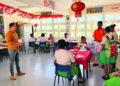
The consultation provided a platform for stakeholders to voice both the benefits and challenges of cruise tourism. While some local businesses, such as ground transport operators and small enterprises, reported increased activity from cruise arrivals, others felt the economic contributions had not met expectations. Concerns were raised about safety and security at ports, the preservation of underwater infrastructure, limited engagement of small boat operators, and the aesthetic appeal of key areas.
A crucial outcome of the consultation is the commitment to developing a national cruise tourism policy. This policy will define Anguilla’s position within the cruise tourism industry, provide clarity on sustainable practices, and assess the potential return on investment. More importantly, it will align cruise tourism with Anguilla’s broader national tourism strategy, ensuring a well-balanced, and sustainable approach to growth.
Mrs. Robin-Williams emphasized other significant factors that will also improve the tourism product for Anguilla. “There is a joint agreement to work collaboratively with the ECCB and the Organization of Eastern Caribbean States (OECS) to undertake the development of a national tourism policy for Anguilla,” she said. “This is a major step forward as it presents a unified, strategic approach to shaping the tourism industry for the future. The tourism sector, including cruise tourism, is integral to our economic development, and the development of a national tourism policy will help us address many challenges and opportunities as we move forward. This is more than just a plan for cruise tourism—it is an inclusive blueprint for the development of all aspects of Anguilla’s tourism sector.”
Speaking in her capacity as ECCB’s country economist for Anguilla, Ms. Noami Francis reaffirmed the bank’s dedication to supporting Anguilla’s economic growth. With her expertise in economic development in the Eastern Caribbean Currency Union (ECCU), Ms. Francis highlighted how the consultation aligns with the ECCB’s broader “Big Push” initiative, which aims to double the GDP of ECCU economies in a sustainable manner. Ms. Francis was accompanied by Senior Economist Mr. Leon Bullan.
The consultation underscored that cruise tourism is not merely about facilitating sea travel but rather about creating opportunities for cultural exchange, economic development, and environmental stewardship. As Anguilla embarks on this journey, the insights gathered from stakeholders will play a vital role in refining strategies for sustainable tourism growth.
In conclusion, the cruise tourism consultation represents more than just a discussion—it is a transformative step toward establishing a thriving tourism industry in Anguilla. By working together, using data-driven insights, and prioritizing sustainability, Anguilla is seeking to ensure that they are well placed for lasting success in established and emerging tourism products.